
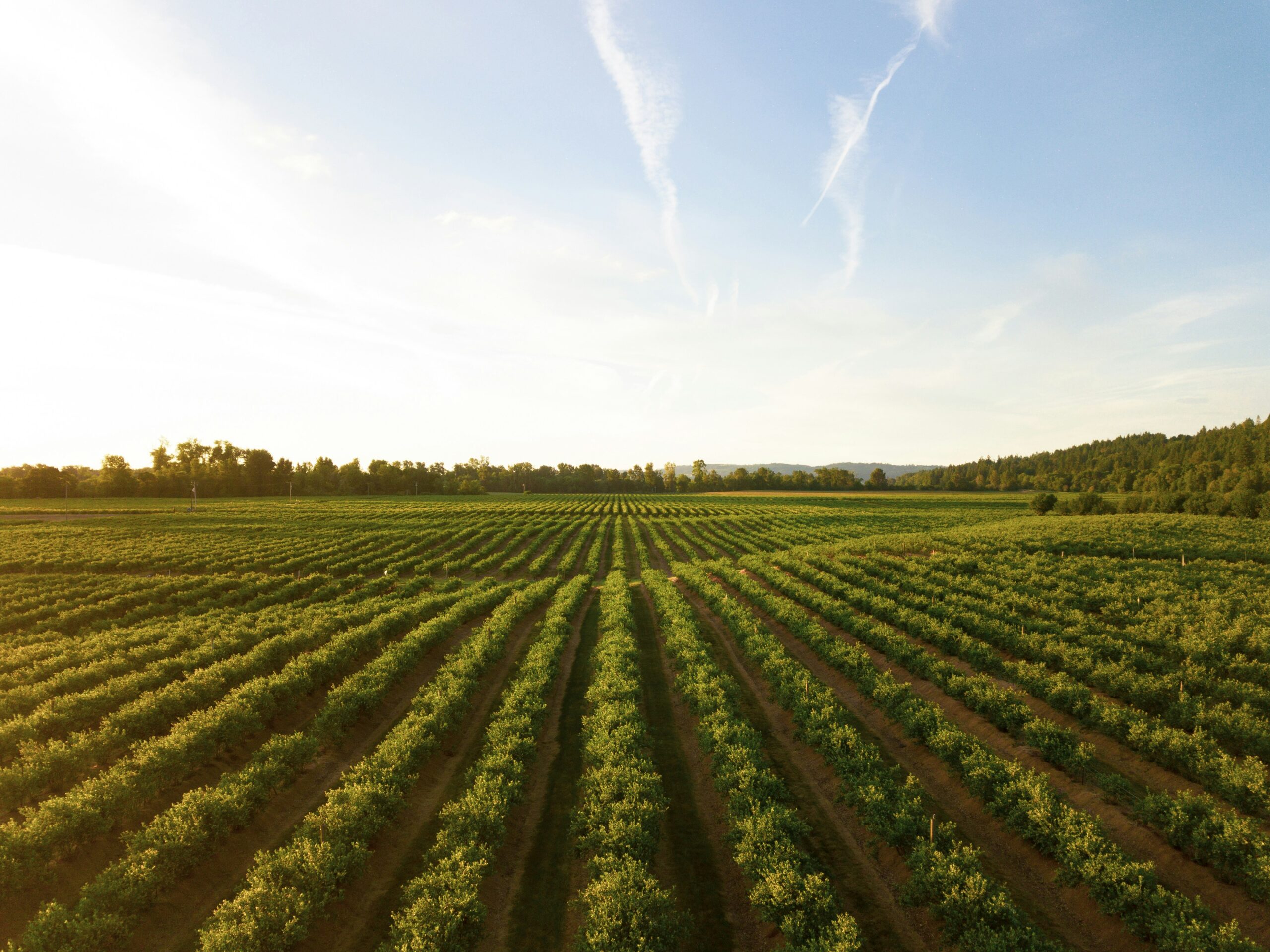
If you farm or ranch in Weld County and your marriage is ending, you are not facing a typical divorce. Weld County encompasses 2.5 million acres, 75% of which is devoted to farming and raising livestock, making it the top agricultural-producing county east of the Rocky Mountains. For many families here, the farm is not just an investment, it is the family home, the family business, a multi-generational legacy, and the primary source of income all at once. That makes divorce significantly more complex than it is for most families.
How Colorado Law Divides Property
Colorado is an equitable distribution state. Under C.R.S. § 14-10-113(1), the court divides marital property without regard to marital misconduct, in proportions it deems just. In making that decision the court will consider each spouse’s contributions, the value of property set apart to each spouse, the economic circumstances of each spouse at the time of division, and any increases or decreases in the value of separate property during the marriage.
Equitable does not automatically mean equal, but courts frequently arrive near an even split. The central question in most agricultural divorces is what counts as marital property and what remains separate.
Under C.R.S. § 14-10-113(2), separate property includes property acquired before the marriage, property received by gift, bequest, devise, or descent, and property excluded by valid agreement of the parties. Farmland inherited by one spouse or owned before the marriage is generally separate property so long as it remains titled solely in that spouse’s name.However, a critical exception applies: under C.R.S. § 14-10-113(4), appreciation on separate property during the marriage is treated as marital property subject to division. With Weld County land values having risen significantly over time, this rule alone can dramatically shift the outcome of a case.
Income generated from separate property during the marriage is also considered marital property in Colorado. If a spouse uses inherited farmland to generate crop or lease income during the marriage, that income becomes part of the marital estate.
Tracing is another common challenge. If separate property has been commingled with marital funds, for example, if inherited land was used as collateral for joint operating loans, or if marital money was spent on improvements to separately-owned land, the lines can blur. Detailed financial records are essential to preserving a separate property claim. Titling separate property in joint names also creates a presumption under Colorado law that the owner intended to make a gift of it to the marital estate.
Dividing Agricultural Assets and Businesses
A working farm or ranch is a bundle of interrelated assets: land, equipment, livestock, stored crops, water rights, oil and gas interests, operating accounts, and often a formal business entity such as an LLC or family partnership. Identifying each asset, characterizing it as marital or separate (or a combination), and valuing it accurately are all required before division can occur.
Even if a farming operation was started or acquired before the marriage, any increase in its value during the marriage can be treated as marital property subject to equitable distribution. For operations where both spouses have been actively involved, disputes over ownership interest and future operational control are common.
For family farms, the asset-based valuation approach typically applies, because land value often exceeds the income the operation produces. Colorado law does not specify a single valuation standard for closely held businesses, courts have recognized both fair market value and value to the owner as acceptable approaches. Valuation experts, often credentialed appraisers or CPAs with agricultural knowledge, are frequently necessary. In contested cases, courts may appoint a single joint expert or weigh competing expert opinions.
The practical goal for most agricultural families is keeping the operation intact. The most common outcome is for the operating spouse to retain the farm while compensating the other through a structured buyout, an offset of other assets such as retirement accounts or savings, or a deferred payment arrangement tied to future income or land sales.
Water Rights and Mineral Interests
Two categories of assets deserve special attention in Weld County divorces: water rights and oil, gas, and mineral interests.
Water rights in Colorado are treated as private property interests governed by the Prior Appropriation System, first in time, first in right. They are conveyed by deed, recorded in the county clerk and recorder’s office, and must be specifically identified, characterized, and valued as part of the marital estate. Irrigation ditch shares, well permits, and decreed water rights all need to be expressly addressed in any divorce decree. Failing to do so can create serious operational and legal problems for whoever continues farming the land.
Weld County also sits at the heart of the Denver-Julesburg Basin, one of the most productive oil and gas regions in the country. Many agricultural families own or lease mineral rights beneath their land. Those interests are assets in a divorce and can carry significant value, particularly if wells are actively producing royalty income.
The same marital and separate property framework applies to mineral interests: rights inherited or owned before the marriage may be separate property, but appreciation in value and royalty income earned during the marriage are generally marital. Valuing oil and gas interests requires specialized expertise. Producing mineral rights are valued using production data, decline curves, and commodity price modeling. Non-producing rights are typically valued based on a multiple of the expected lease bonus.
Royalty income from mineral interests also factors into support calculations. Under C.R.S. § 14-10-115, gross income for child support purposes includes income from self-employment and business interests. Ongoing royalty income from oil and gas leases flows into that analysis. In some cases, allocating income-producing mineral interests to one spouse can offset a spousal maintenance obligation entirely.
Child Support and Parenting in Rural Communities
Farm income presents unique challenges for child support calculations. Under C.R.S. § 14-10-115(5)(a)(III)(A), gross income from self-employment equals gross receipts minus ordinary and necessary expenses required to produce that income, but courts do not simply accept every IRS deduction. Expenses that reduce a farmer’s personal living costs may be added back to income. Moneys drawn by a self-employed individual for personal use and deducted as a business expense are explicitly included in gross income under the statute. Multi-year tax returns and forensic accounting are commonly used to establish a reliable income picture for a farming operation.
Parenting disputes in rural communities also come with practical complications that urban parenting plans do not address. Seasonal agricultural schedules, long distances between homes, school transportation logistics, and children’s existing roles in farm operations all require thoughtful planning. Under C.R.S. § 14-10-124(1.5)(a), the court considers the physical proximity of the parties to each other as it relates to the practical considerations of parenting time, a factor that carries real weight in rural Weld County.
Well-crafted parenting plans for agricultural families often include seasonal flexibility provisions, clear transportation responsibilities, and make-up time arrangements around peak operational periods. Mediation is often the best venue for working out these details, because judges applying a standard template rarely capture the realities of life on a working farm.
Temporary Orders and Emergency Motions
Colorado divorce cases can take many months to resolve. During that period, the farm still needs to operate, and the marital estate still needs to be protected.
Under C.R.S. § 14-10-108, either party may move for temporary orders covering the payment of marital debts, use of property, spousal maintenance, parental responsibilities, child support, and attorney fees. There is a mandatory injunction in effect in all divorces preventing either party from transferring, encumbering, concealing, or disposing of marital property outside the usual course of business or for necessities of life.
For agricultural families, these protections matter enormously. Without the temporary injunction in place, a spouse could sell equipment, liquidate crop inventory, take out new operating loans, or transfer livestock, depleting the marital estate before division ever occurs. Temporary orders can also establish who continues to manage and reside on the farm during the case, who pays operating expenses and existing debt, and what interim parenting arrangements apply while a permanent plan is negotiated.
Temporary orders do not bind the final outcome, but in practice they shape the entire trajectory of the case. Early, well-prepared motions supported by strong financial documentation make a real difference.
Practical Realities of Weld County Family Court
Weld County family law cases are filed and heard through the 19th Judicial District, with the courthouse located in Greeley. Weld County is the only county in the 19th Judicial District, so all cases are centralized in one location. The district processes approximately 1,200 dissolution cases annually, with contested cases averaging roughly 230 days to disposition.
Mediation is required in all contested cases before a final hearing. Arriving at mediation with current appraisals, organized financial records, and realistic expectations dramatically improves the odds of resolution. Cases where one party is unprepared rarely settle.
Financial disclosure, through the Sworn Financial Statement required by Colorado courts, is mandatory. For agricultural families, this means documenting the full picture of the farm operation: business returns, Schedule F filings, equipment inventories, operating loan balances, and royalty statements. Incomplete disclosure can have serious legal consequences and will undermine credibility in court.
Finally, the seasonal nature of farming rarely aligns with court schedules. An attorney experienced with agricultural cases will help you manage hearing dates, deadlines, and continuance requests around the real demands of a working operation.
Talk to an Attorney Who Understands Agricultural Families
Divorce is difficult in any circumstance. When your livelihood, your family’s legacy, water rights, mineral interests, and the children who have grown up working the land are all part of the picture, the decisions made during your divorce will have lasting consequences.
At Tanis McGonegal Family Law, we work directly with every client (no hand-off, no revolving door) to build strategies tailored to the realities of farming and ranching in Northern Colorado. If you have questions about how Colorado law applies to your situation, contact our office to schedule a consultation.
